UK mileage allowance increase 2026: New 55p rate explained for employees and self-employed
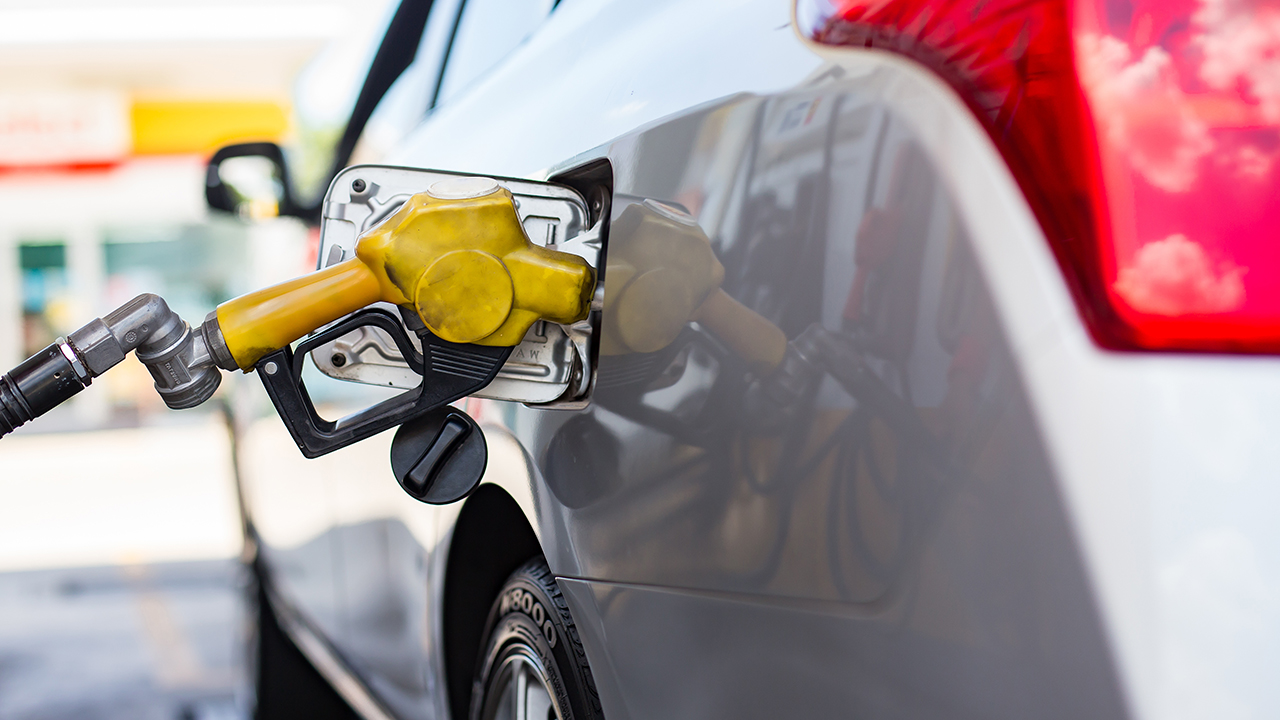
A surprise change to UK tax rules was announced on 21 May 2026, with the Government increasing the mileage allowance rate from 45p to 55p per mile (ppm) for the first 10,000 business miles. This is the first increase in over 15 years (45ppm introduced on 6 April 2011), and it has immediate implications for both employees and self-employed individuals.
What has actually changed?
For employees , if you receive less than 55ppm you can claim Mileage Allowance Relief from HMRC. This will allow you to claim tax relief on the difference between what you were paid and the approved rate.
Self-employed individuals can claim the mileage allowance as a flat-rate expense and deduct this from business profits in the Self-Assessment tax return.
The following mileage allowances will be in place as of 6 April 2026
- 55p per mile for the first 10,000 business miles
- 25p per mile thereafter (unchanged)
The new rate applies where you use your own vehicle for business travel (not including commute to and from your regular place of work). It is also worth noting that the increase has been backdated to 6 April 2026, so the higher rate applies to all qualifying mileage for the full 2026/27 tax year.
How does this affect you?
The previous 45p rate had been frozen since 2011, despite sharp increases in:
- Fuel prices
- Insurance costs
- Vehicle maintenance and depreciation
In practice, the 45p rate has not kept pace with the true running costs for vehicles, including fuel, insurance, servicing, and depreciation, which have all risen considerably with the Middle East crisis bringing these issues to a head. The impact of the change can be meaningful, for example, an employee who drives 5,000 business miles per year could now receive an additional £500 annually compared to the previous rate.
It should be noted that where an employer has already paid mileage claims since 6 April 2026 at 45ppm, and wants to allow employees to start claiming at the new rate for future claims, a backdated claim can be me made to adjust those post 6 April 2026 milage claims made at 45ppm.
What should you do?
- If you are an employee , you should check what your employer pays per mile. If they pay less than the approved rate, you may be able to claim tax relief on the difference, helping to reduce your overall tax bill.
- If you are self-employed , you should update your mileage claims for the 2026/27 tax year if you use the flat-rate method. If you currently use the actual cost basis, it is also worth reviewing whether this remains the most tax-efficient approach in light of the increased mileage rates.
- If you are an employer , it is worth reviewing your mileage policy and considering whether to increase the rate to 55p per mile for the first 10,000 business miles. Payments made at this level can be made tax-free, meaning employees can receive the full benefit without any deduction of tax or National Insurance. Employers who continue to reimburse at lower rates may risk dissatisfaction among staff, especially in sectors where travel is a core part of the role.
Whilst there can be no guarantee that the revised rate will extend beyond the 2026/27 tax year, the uplift will provide a measure of relief for many.
If you are unsure about any of the above or would like to discuss your options regarding mileage allowances, please get in touch and we would be happy to assist.
If you have any questions about the above, or would like more information specific to your circumstances, please enter your email address below and we will get in touch:
Related View All




Our Accreditations and Memberships