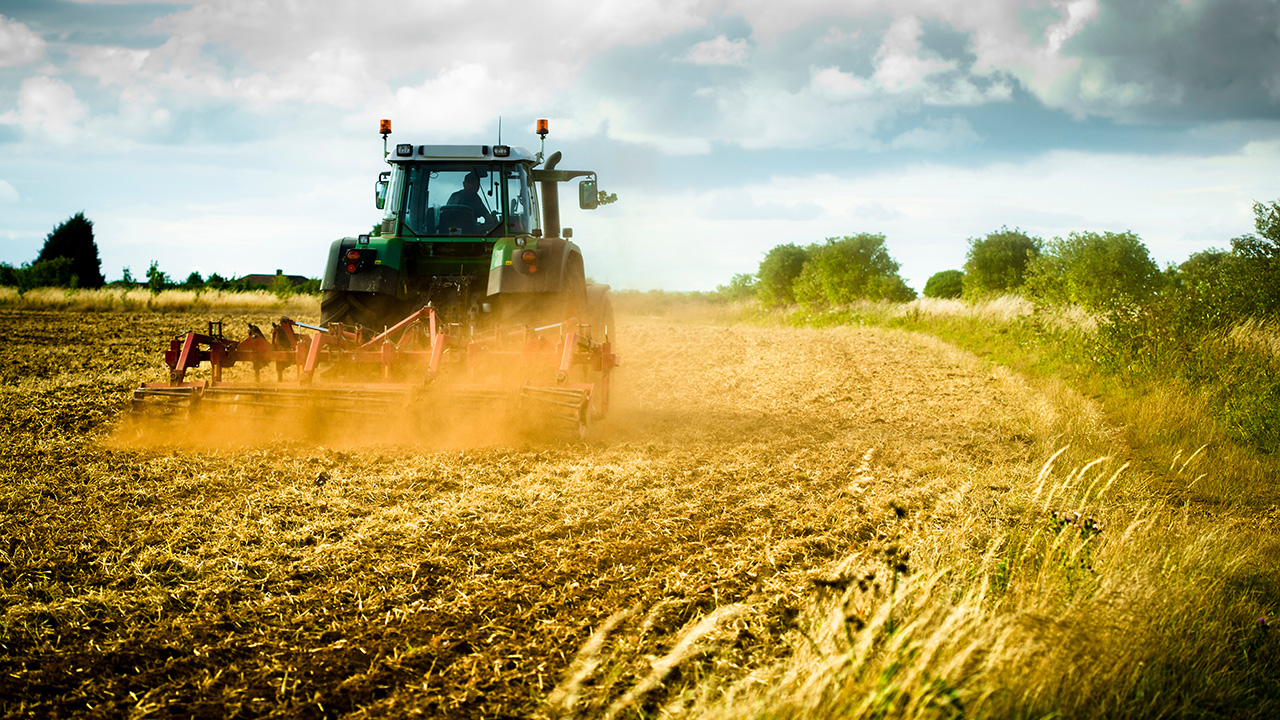
Cashflow management continues to be a key issue for UK farming businesses, particularly against a backdrop of changing support payments, rising costs, and market volatility.
As farms look to invest in new machinery or infrastructure while maintaining liquidity, two common options are sale and leaseback of assets and the use of capital grants. Both can be effective, but they must be approached carefully to avoid unintended consequences.
Sale and leaseback: improving cashflow without losing use of assets
Sale and leaseback arrangements are increasingly used by UK farmers as a way of releasing capital tied up in owned machinery, vehicles, or equipment. The asset is sold to a finance provider and leased back to the farm over an agreed period, allowing continued use while freeing up cash.
This can provide an immediate boost to cashflow, helping businesses meet day-to-day costs, restructure borrowing, or fund new opportunities. For farms with valuable machinery already on the balance sheet, sale and leaseback can be a practical alternative to taking on additional loans.
Capital grants in UK agriculture
Capital grants remain an important source of funding for agricultural investment in the UK. Schemes available often support expenditure on machinery, equipment and technology that improves productivity, efficiency, animal health, or environmental performance.
Grants on machinery in agriculture can significantly reduce the cost of investing in items such as tractors, handling equipment, precision farming technology, or slurry and manure systems. For many farms, this support makes essential upgrades financially viable.
Avoiding double funding: key grant conditions
One critical point for UK farmers to understand is that capital grant schemes usually include strict funding rules. In particular, you might not get a grant if you are receiving money from elsewhere towards the same asset.
Most schemes do not allow “double funding,” meaning that if an item of machinery is financed through certain leasing arrangements, or if funds have already been raised via sale and leaseback, the grant claim may be rejected. Some grant schemes also require the applicant to own the asset outright for a set period, which can rule out leased equipment entirely.
Planning ahead to maximise support
Before entering into a finance agreement or submitting a grant application, it is essential to check the detailed scheme guidance and understand how different funding options interact. Taking advice from us can help ensure that decisions made to support cashflow do not inadvertently jeopardise eligibility for capital grants.
With the right planning, UK farming businesses can use sale and leaseback strategically to manage cashflow pressures, while still accessing capital grants where appropriate to invest in machinery and future-proof their operations.
If you have any questions about the above, or would like more information specific to your circumstances, please enter your email address below and we will get in touch:



Related View All



Our Accreditations and Memberships